By J.W.Grace
Where World-building is the process for creating a setting, the Campaign is your plot or the events of the story and the encounters your players have along the way. There are numerous ways to create adventures for your players and each campaign type will lead to a unique story for you and your players.
Before deciding on the type of campaign you’re going to run it’s important to get feedback from your players. If they are most interested in a game centered around exploration and discovery but you’re planning for a city-based scenario with lots of political intrigue, there may be disappointment or lack of engagement from your players. So be sure to settle on the kinds of adventures you all want to have.

You should also establish the tone of the campaign you want to run. Is it a dark, horror setting full of spooky weirdness and terrifying enemies? Are the players going to be evil and focused on conquest? Is there going to be a more light-hearted or silly tone to the game? This should be established before the players make their characters so there isn’t a “fish-out-of-water” scenario. These questions should all be answered during session zero.
For those new to role-playing games (or RPGs) or those who haven’t played in a long time, a session zero is a chance to introduce your setting to the players and to go over the type of campaign you intend to run. It will also give the players a chance to discuss the characters they want to play. There will be another article in the future to discuss how to ensure a successful session zero.
When deciding on the type of campaign to run, there are a lot of options to choose from but we’re going to focus on two primary types. First is a standard episodic narrative. Similar to a tv or novel series where the cast of characters are dealing with an overarching plot like defeating the lich trying to take over a nation or discovering a lost treasure from an ancient civilization. There are often branching side quests or other diversions but the main plot is something that needs to be dealt with. This type of campaign is great for giving the players a purpose and reason to keep working toward a goal but it can sometimes lead to a railroading situation.
A railroad in this context is where the players are forced to follow a specific path because no other options are given. This can lead to a lot of frustration and disinterest in the game because the players don’t have any choices other than the single path to follow. The trick is to “hide the rails” by dropping many hints along the way about where the party needs to go. If they don’t follow the path, Bad Things are going to occur. The consequences of avoiding the plot will quickly become obvious and things they do care about will be put in peril.
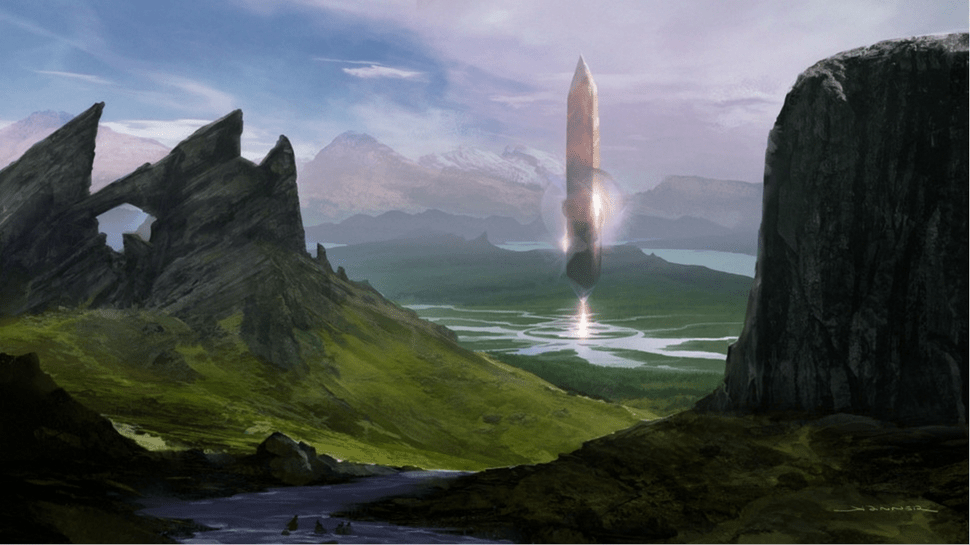
The second type of campaign is an open world scenario. This is sometimes referred to as a “sandbox” or a “hexcrawl”, called this because of many classic RPG world maps were printed on a hex grid. This type of campaign sets the players loose in the world and says “Go!”. While this type of campaign offers a tremendous amount of freedom to choose their path, this can be difficult and stressful for new players. Even experienced players can have a hard time making decisions. It’s the classic dilemma of “I don’t know, what do you want to do?”.
To be successful, the open world campaign requires extensive preparation in order to provide options for players: rumors of adventure, maps with mysterious markings to investigate, and quest NPC’s who need help. You can also improvise adventures, people and places but that can be challenging for some DM’s, especially those who are just starting off. The key to a successful open campaign is knowing your world and what the party will run into when they pick a random direction or follow that interesting rumor.
In long-running campaigns, you’ll often find that the two types of campaigns can blend together or flip back and forth. The open campaign may have a multi-session adventure arc that feels more like an episodic narrative. Your story-driven campaign may reach a point where the party has multiple ways they can go or various side-quests available to them. Don’t be afraid to flow back and forth between the campaign types as your adventures continue over long periods of time. This can breathe life into your story and keep the players coming back for more.
The most important thing is that you and your players are having fun and the story you share is progressing in a way that you all find to be satisfactory. Whether you’re riding on the rails and enjoying the scenery along the way or you’re charging through the terrain with wild abandon, the story you’re building is what matters most.
About the Author:
Jim “Argentwind” Grace has been playing and running TTRPG’s for almost 40 years in dozens of systems from AGE to Hero and every edition of D&D along the way. He is the Tavern Owner of the Tumbled Tankard Discord server and a primary content contributor for the Tumbled Tankard YouTube channel.
 RPG Counterpoint
Leave a comment