The Next Generation’s Influence on TTRPG’s
From Jared Biti
RPGer’s!
This month, I’d like to share my experience as a GM/DM for both adults and kids as new players in tabletop. I thought it would be apropos to talk about how the next generation affects the demand and flavor of the tabletop gaming experience.
Starting with a little history on TTRPGs, at least as I know it. Early on, the GM/DM would do all the rolls and weave a story for the players to navigate and find their way through the trials and battles to reach the big bad/the boss/the conclusion of said story arc or campaign. With it, they could just attempt things and were largely at the mercy of the GM/DM to interpret and allow what they wanted to try. Some call this railroading now. Some groups still work well in this environment and have a great time, riding the proverbial train through the story that the GM/DM wants to tell. And that is fantastic and wonderful to me, as long as everyone is enjoying themselves and having fun.
Nowadays, with the introductions of video games in the last 20-30 years experienced by a large portion of the target audience of TTRPGs, we have to look to see what we can do as GM/DM’s and also as players to make the experience still fun and engaging for this audience.
First as GM/DM’s, of course, you listen to your players. Not just their words but also their actions and engagement. Now, there will be times that everyone is just “off”. They are tired or distracted every once in a while. That’s ok. Things happen in real life that throws us off our game, in this case, literally. I am not referring to that. I’m talking about consistent patterns.
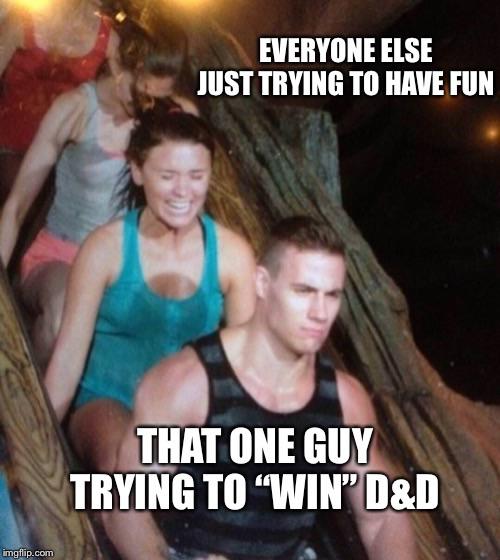
Like, if you have a player that wants to make pets out of every creature you bring into contact with them,from the bunny to the direwolf. That’s ok. Will it make your job complicated? Possibly, but the goal is for the players to have fun. If that is what is fun to them, accommodate where you can, as long as it doesn’t encroach on the fun of the rest of the players. Again that’s part of“listening” to the whole table. Your fun as a GM/DM is important as well. Don’t let that fall to the wayside.
So how does that apply to the “new generation” of gamers? Well, some may want a more “video game” experience. Limited or clearly spelled out options. I have had to work on that myself. I’m used to just coming up with things to ask my GM what I can do. Some players don’t have the experience to know “what” to ask about. As GM’s, we have to try and think from their perspective.
I have done this in one of my games by putting my players through something none of them really had experienced. Planning out how they wanted to handle “protecting an emissary from potential(not guaranteed) attack”.They seemed to be at a loss at first. So I helped them by looking at their skills and their character backgrounds to help them see it through their character’s eyes. What would the half-orc barbarian be able to contribute? Hunting experience. How? Well as the hunter he would look for good ambush points. So as the protector he would look for ambush points to be wary of, etc. It took time and a little goading but eventually they were all trying to engage and offer ideas on how their characters could help. All that to say, sometimes you have to “sweep the sand of the sandbox off the railroad tracks” so they can see what their options are.
From the video gaming perspective, as well, I have had requests to have a “boss” or “elite” monster in every fight to kind of give them a clue that the fight is over. Now, of course, this doesn’t just come from video games but it is an expected feature in video games. I’ve also had requests for a narrative “cutscene” as it were, to introduce a boss fight or major plot scene. All these are from listening to the players and attempting to cater to their and my fun as a GM.
With new players in general, but specifically with kids or teens that don’t have a lot of life experience, guiding and showing them what their options can be, seems to be more important. With this you are showing them to look and ask about more things than what is on their character sheet or what they see with their eyes. Kids tend to have good imagination and their sponge-like minds are usually receptive to new ideas of “Oh? I can do that?” So, if they seem to hesitate or be unsure, offer some suggestions. Just make sure they make the decision of what they want to do.
Now, from the player perspective. This seems to be most important if you have a newer or inexperienced GM but it can also apply to a GM that hasn’t had experiences you have had as a player. Offer ideas, ask questions. My favorite is “What does my character know about X” or “Would my character recognize this” etc. It helps the GM think about other facets of their world and what you as the player are interested in exploring. In the reflection of the above about Gm’s “listening” to their players,be sure you are constructively giving your GM feedback about what you enjoyed and what you didn’t, and offer to help with “bookkeeping” tasks like note-taking and having all the explanations of your character’s features at the ready to clarify what you want to try and do. There is less that a player can do, as they typically have less going on than the GM, but that doesn’t mean that you, as the player, can’t try to do everything you can to help the GM, with your wants and enjoyment but also theirs in running the game.
Thank you for your time RPGer’s! Game on!
 RPG Counterpoint
Leave a comment