By J.W. Grace
An essential part of any role-playing game is the cast of characters that the party meets along the way, the real treasure. From the helpful shopkeeper to the surly bartender, the players often fall in love with people they encounter. Villains can draw out the most visceral anger, family members and friends need to be protected and/or rescued, allies can provide helpful information or resources. These characters are essential to the story and serve as motivation for the group to interact with the world that you’ve built.
So how can you make sure these people stand out? So they are more than just “window dressing”, a background part of the scene?
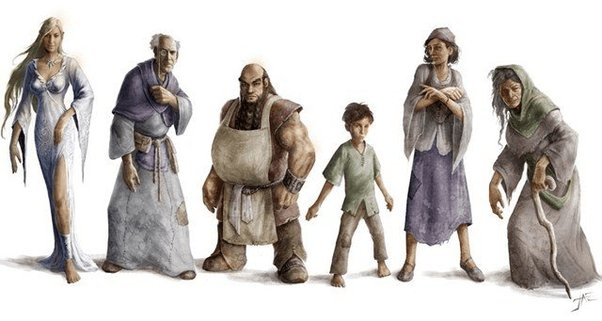
First, they need to have a good description. There should be something distinctive about them. Pictures can be a great way to get your point across (they are worth a thousand words after all), but if you don’t have access to a talented artist, you can go online and either search for images or use an AI generator. If you don’t have an artist at hand and you aren’t willing to “borrow” the work of others, a great description can go a long way.
Focus on the details: race, height, build, and coloration are the most obvious. Any distinguishing marks, like a crazy hairstyle or birthmark or missing limb can help them stand out. A unique style of dress can mark them as a foreigner in the area. This can be especially helpful if they are from the same place as a far-traveling party member. If they are wearing a holy symbol or faction item, this can mark them as a potential ally or rival. It also helps to know the character’s personality so during the scenes where they interact with the party, you know how they act and react to what is going on.
On a side note, if you can do voices, it can definitely help with immersion and bringing the character to life. There are many techniques for changing your voice and there are amazing guides online for making character voices. It’s not essential, but a little can go a long way. Even small, intentional changes to how they speak can bring the person to life.
Many NPCs act as little more than set pieces for a scene, but that doesn’t mean that they should be ignored. The style of dress and how they act can be as important to the scene as the characters that actually interact with the party. Seeing a room full of seedy, unscrupulous folk wearing dark clothing while drinking and talking in harsh whispers will put the group on edge. Conversely, a brightly lit chamber where beautiful people in fancy clothes drink from crystal glasses and speak in flowery prose, paints a very different picture and evokes an entirely different mood. In both cases, the group isn’t going to interact with a majority of the people they see, but those characters still act as an important part of the scene.
For allies that the party encounters, make them useful or at least, fun. They should be characters that the party enjoys interacting with. When the NPC’s have knowledge or skills that the party can’t normally access, this will ensure their utility, but making them likeable will keep the party coming back for more time with their ally. A lackluster NPC will never capture the attention of the group and can even make the scene itself less interesting. Over the course of their adventures, the party’s allies can grow in power and gain useful skills and abilities to help the group. These allies can also develop relationships with other NPCs in the intervening time that the party is away. Seeing them grow and change over time will make them more believable.
Villains should also receive similar treatment. Distinctive features, clothing, and abilities make them stand out from the other mundane threats that the party has to deal with. Recurring villains should gain in strength over time. They can recruit new and more powerful allies to pit against the do-gooders. This will build up the tension and when the big showdown finally takes place, make sure the encounter is epic. However, defeating the villain doesn’t mean they are gone for good. Henchmen might rise up to take their leader’s place or conduct some powerful magic or mad science to bring their master back, bigger and stronger than ever. Some villains focus on mystery and secrecy so the party may never actually see them until the final showdown. Be sure to make the reveal into something worthy of the build-up or really mix it up and make them look totally unassuming and mundane. There are great examples of this in tv and movies where the big, bad looks like a pushover until they reveal their “final form”. Really lean into the imagery of these encounters.
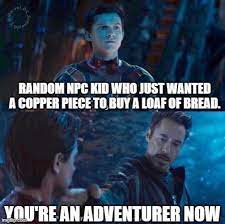
Sometimes, players actually develop feelings for the NPCs, even entering into relationships with them. Depending on the comfort level of the players, this can be roleplayed to some degree. Be aware of the feelings of others and adjust the scene to make sure no one has to experience a situation that will make them resent you or their fellow players. If any player expresses discomfort with the situation, you should cut the scene or at least “fade to black”.
Major changes to NPCs need to be handled with care and should only be done to advance the plot of the campaign. Arbitrary changes to the party’s friends and allies, especially significant events like being put in danger or even killed can drastically alter the tone of a game. If not done with care, this could cause resentment and distrust with the players. They might avoid getting attached to anything for fear that you will just callously take away their friends.
In closing, when planning your shared adventures, give special care to the people that your players encounter along the way. The more you put into them, the more enjoyment your group will get with the stories you tell and the more engaged they will be. The NPCs are your chance to have meaningful interactions that don’t only involve swinging a sword, shooting a gun, or tossing a fireball. Have fun with them!
About the Author
Jim “Argentwind” Grace has been playing and running TTRPG’s for almost 40 years in dozens of systems from AGE to Hero and every edition of D&D along the way. He is the Tavern Owner of the Tumbled Tankard Discord server and a primary content contributor for the Tumbled Tankard YouTube channel.
 RPG Counterpoint
Leave a comment