By J.W. Grace
Players engage with your campaign through the lenses of their characters. Their choices are shaped by what they choose to play and those decisions shape the events of the story. As the game master, there are a number of things that you can do to help them feel like they are an important part of the world. This article will detail some of those things you can do during the course of the campaign to make that happen.
First, set the scene. When establishing the cast of characters, ask the players what they want to see in the game. If they are interested in combat-heavy gameplay, you don’t need to focus on political intrigue and complex character interactions. All they need is a place to rest and a way to find out their next mission. If they want more mystery and lore-building, create your adventures to accommodate that style of gameplay: making discoveries about the world, finding lost civilizations and treasure, and getting embroiled in the complexities of factions and guilds. Help them establish their character backstories and abilities so they can be effective in the kind of game they will enjoy. Knowing what the players want and what they are good at will help you create engaging encounters for them.
Second, build in downtime. When a mission comes to a close, the players have a chance to reflect on what they want next for their character. In many RPGs, this involves leveling up, but it can also be a time to make connections between each other or with the people they’ve met during their adventures. They can get new gear or do research to find out more about the things they discovered in the story so far. Without the pressure of constant encounters, they can have in-character interactions to build a feeling of teamwork and family. If they initiate one of these conversations, give them the time and freedom as much as possible.
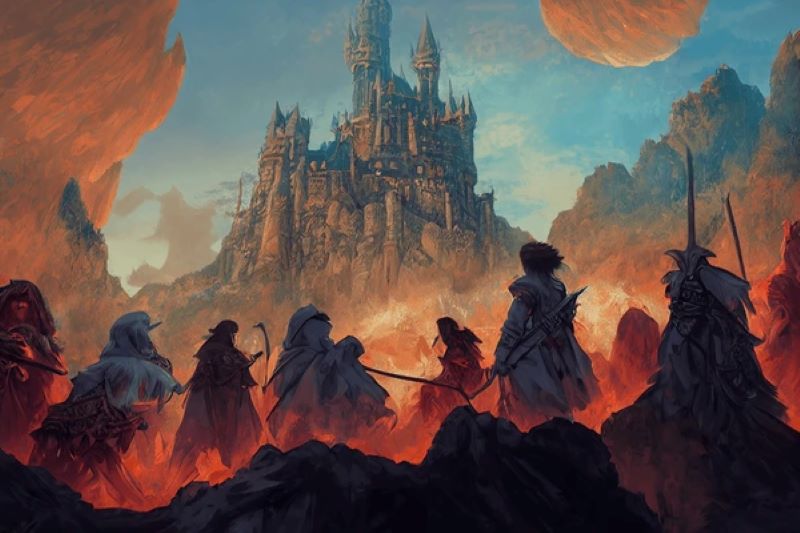
Third, rewards should be more than just level-ups. To allow the party to grow as individuals and as a team, offer them options beyond the game mechanics of increasing their level. New equipment is a simple option for rewards, as a new item can allow a character to function in a new role. An item that can restore health in the hands of the party’s rogue could allow them to act as a backup healer. Some amazing ranged weapons could allow the front-line fighter to participate in tactical situations where they aren’t charging headlong into the fray. Even minor items can open the door to new and interesting scenarios. Beyond material goods, the party could also gain access to special training: new proficiencies, skills, feats, attributes, etc. Not only does this give them new and/or improved ways to deal with encounters, it allows them to feel like they are growing as characters. Letting them train together can also foster a sense of teamwork.
Fourth, encourage them to build relationships with allies. This was mentioned as something to do in downtime but it bears repeating. Forming connections with people in the world outside the party will give them access to resources and information, but it also adds depth to their character. Rather than simply fighting for wealth and glory, they could be doing favors for a friend to help them out of a terrible predicament. In return, they could get discounts, inside information, or maybe a place to stay between adventures. The depth of these relationships is totally up to you and the players. Use your best judgement on how far this should go and know that not everyone is going to be open to these situations.
This brings up the final point. Communicate with your players. Check in with them often about what they are enjoying about the game. Ask if they want more or less of the scenarios you’ve been putting in front of them. If they show interest in the lore of the world, share that with them through encounters with knowledgeable people or access to a library filled with secrets. If they return to the same places and talk with the same people during their downtime, provide them with more details and opportunities to interact more with them. Conversely, if they don’t show interest, give them the bare essentials of what they need and move on. If they don’t seem to like an NPC or actively avoid a location, don’t invest your time and effort fleshing them out for the players but listen to their feedback. Maybe the reason why they’re staying away is because they don’t trust the situation. Use that feedback to drive the story forward. Reward their intuition by letting some of their conspiracies come true. Some of the best stories can be driven completely by your players and the choices they make.
Keeping these ideas in mind, you will find your party growing into fleshed-out people that are connected to each other and the world around them. Your players are the main characters in your shared story so give them the opportunities to have the most epic adventure possible, together.
About the Author
Jim “Argentwind” Grace has been playing and running TTRPG’s for almost 40 years in dozens of systems from AGE to Hero and every edition of D&D along the way. He is the Tavern Owner of the Tumbled Tankard Discord server and a primary content contributor for the Tumbled Tankard YouTube channel.
 RPG Counterpoint
Leave a comment