By: Jared B.
How do I, as a GM/DM, determine what kind of encounter progresses the story? How to communicate that to the players? How do players react correctly, if that is even a thing, to an encounter?
Let us start with the goal or intention of the story. What kind of story are you trying to tell? Is one rife with combat? Clearing dungeon rooms for safe passage? Negotiating passage across an ocean or star system? Finding the assassin threatening a king or queen?
Note: You also need to look into how the game mechanics/system that you are using for your game rewards players. D&D is going to be largely combat-driven, Palladium is skill-use-driven and combat, and Traveller is money and item-driven. Just to name a few. Keep what the system rewards in mind so that you can make your encounters with rewarding the players in mind. Kill things for XP (D&D and Palladium), crafting, or other skill checks(Palladium), the players get good pay or receive equipment through looting or as pay for a job or success(Traveller).
Once you have your rough outline in your head of the story you want to tell, then you can start laying out what kind of encounters feed that story.
Examples:
The party has been given the task of clearing out an old estate for an incoming heir.
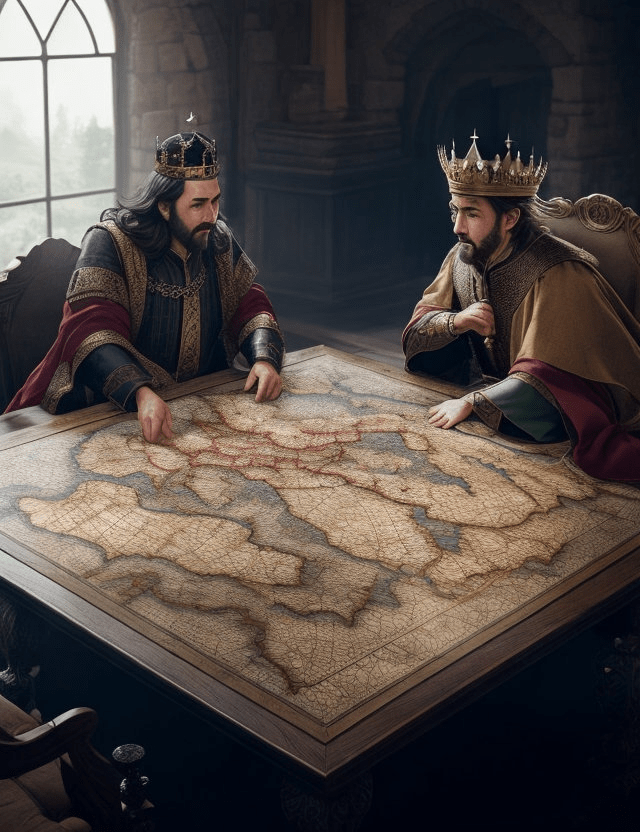
The estate is overrun by goblins, so the party can kill all the goblins or try to negotiate a way for them to clear out on their own. This shows both ways. If you are running a combat-focused system I would advise leaning into the first option simply because that is what the game mechanics are designed to reward for the players. If your party is more of a social encounter type then have ways for the second method to work.
Personally, if I was going to even have the second method as an option, I would have a quick write-up in my notes of what the goblins would want in order to move out. Their own land, help them clear out their old place from a dragon or kobold cultists, etc.
Back to the point. In addition to the game system you are running rewards, you need to either have experience with your players, know them personally, or through several game sessions learn how they react to things, and what they going to default to, to solve the conflicts that come up in-game.
It is hard to let your players do whatever they want to resolve an encounter but you can guide them and, referencing a previous article of mine, keep an open dialogue with your players. What do they want out of the game, etc.? And never close this dialogue. Their wants/needs out of the game may change over time. Try to check in with them consistently to find out what they enjoy and focus on that part. Also, mesh what you enjoy about running the game. Balance the two. If you are not having fun, then your game prep will suffer and then the player’s experience will suffer as well.
This leads to how to communicate with your players your expectations of the encounter that you are presenting. You can do this directly, or indirectly.
Directly, you can tell them “out of character”, they are supposed to kill X creature or talk to X NPC.
Indirectly, leaning into the “Show not tell” method, have the mission description be very clear of the expected outcome. Using the above example. Lord Bartholomew, heir apparent, explicitly says, “Kill all those filthy goblins out of Uncle Arthur’s estate.” Now, can the players still choose a different solution? Oh sure, but what Lord Bartholomew expects is piles of bodies. Now, his wife Lady Kathleen, may take the party aside and say, “Please don’t kill the poor creatures, find them a new home.” This again gives clear direction to the players of what their options are. This is an in-game, in-character way of communicating with your players what you expect out of this encounter before they even get to the actual encounter.
Now, once they are at the encounter there are ways for you to communicate what you intend for the encounter as well. First is how they come across the subject of the encounter. Are they well-armed and armored, are they skinning a dead humanoid, etc?
Using our example. The players arrive at the run-down estate. They sneak up on a small group, let us say 4 goblins around a campfire just outside the gatehouse. Observing them, the players see them eating something and talking amongst themselves. Listening in they learn that: Option A) They caught a deer and have just finished cooking it and will dry the skin out for leather. Option B) They caught a woodsman alone. Having killed him and looted his corpse they are roasting him one limb at a time. This will give the players a clear direction of what they should do with these goblins.
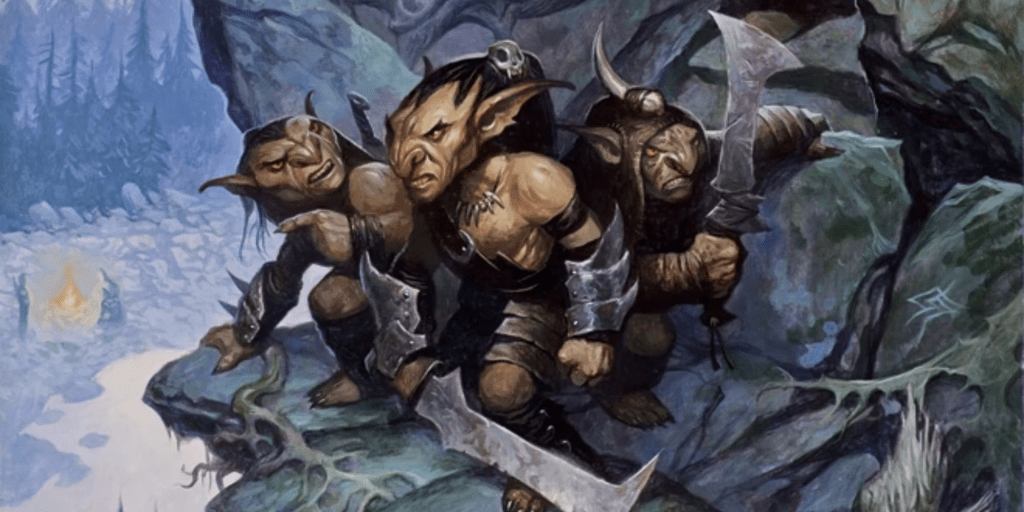
Another way is the posture and body language of the goblins if they are approached. Do they run? Stand and fight? Or try to engage in conversation? This sets the stage for what the players could do.
They run: The players could let them run, or shoot them down with arrows and magic.
They stand and fight: The goblins grab their weapons and with a war cry charge the players. This is very clear the players need to engage in combat to resolve this situation.
They try to engage in conversation: A goblin with flashy bits on his armor, standing a little taller than the rest faces the players. His hand on his sheathed weapon but not drawing it he speaks in reasonably good common, “Hello, who goes there” This opens the scene to dialogue, they can talk this out, and possibly learn information that would otherwise have to be obtained through loot.
How do the players “respond correctly” to what the GM/DM presents? Well, this goes to the open dialogue bit. If the players have a good idea what the GM is going to do, then responding to it should be easy. Other than that, they can look for the signs. Is this creature particularly evil-looking or evil-acting, are they trying to attack or eat me, etc? If so, then you should probably run or attack. If not, if they are trying to speak with the players, trying to engage in a noncombatant way then the players are probably supposed to talk to the creature. Now, you can always violate this but the GM/DM is not obligated to allow you to talk down a combative creature just because you want to talk to it. Can they? Sure, but they do not have to. Try to use observation to see what the GM/DM is intending and if it is not obvious then ask the GM/DM what your character can see/observe about the situation. This gives the GM/DM a way to clearly communicate out of character what they intend about the situation.
I hope all of that was clear and will help the GM/DM’s and players have a better understanding of how to approach encounters as they occur in their games. Game on!
About the Author
Jared “Martel” B has been GMing and playing in several TTRPG’s since late 2013. Enjoys the challenge of bringing his players worlds and stories straight from his mind in the moment that it happens. He is one of the Founders of RPGCounterpoint, happy husband to an active historian wife, and father to two puppers and new baby!
 RPG Counterpoint
Leave a comment