By: Raphael Falk AKA the Games Gardener
If you had known there was a test today you would have studied. You brush broken glass off your desk. The clock ticks menacingly and your classmates giggle, everyone else is done. You stare blankly at the page, but its all full of nonsense. And didn’t you graduate high school years ago? You can’t speak. Everyone is laughing now, and you feel a weight crushing your chest as if their laughter was striking your lungs.
You wake from your nightmare, drenched in sweat.
But there in the darkness a pair of wild eyes stare down at you between tangled locks of hair, and a humanoid form perches on your chest, its pale hand reaching for your face.
People have long believed in the significance of dreams,as means for contact with spirits or omens for the future. Dreams can be bizarre, terrifying, wondrous, or hardly memorable at all. Modern research indicates that dreaming is our brain’s way of processing what happens during waking hours, a crucial part of rest. In games, dreams can be an opportunity to explore a character’s psyche or foreshadow coming events.
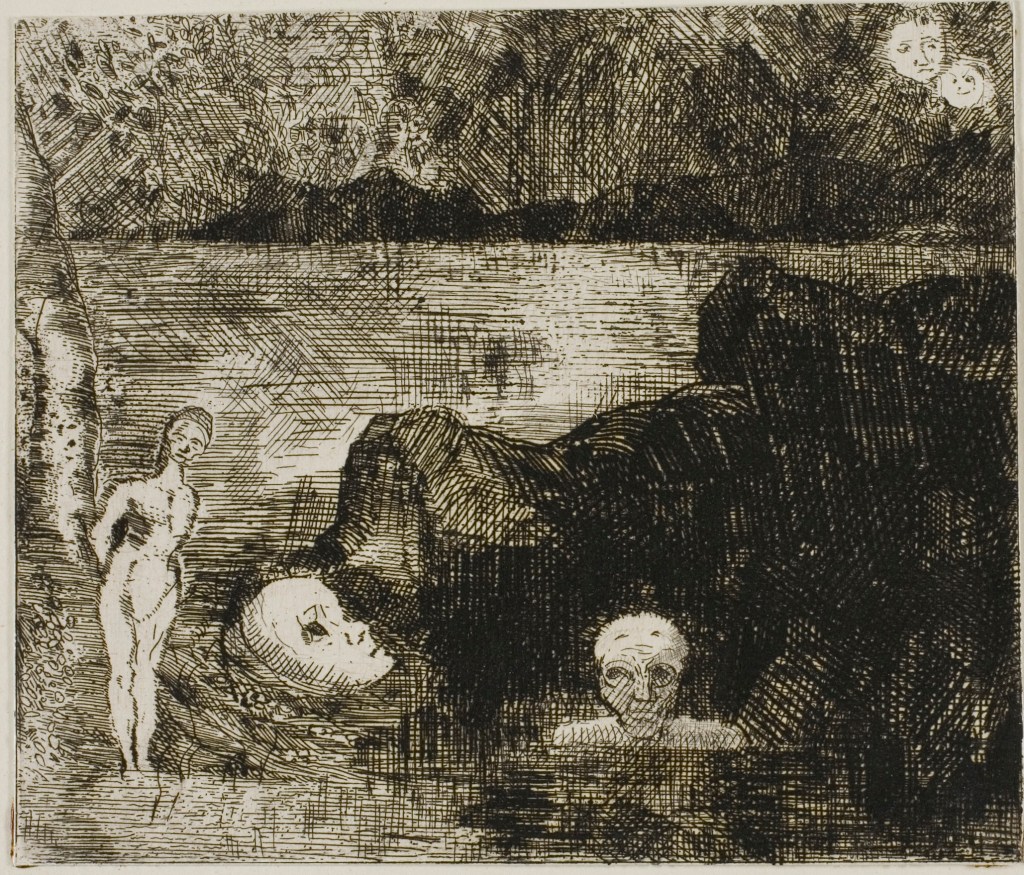
Some of the most common dreams are about being bitten by a snake, falling down, teeth falling out, public nudity, a test or exam, death and dying, being chased, being betrayed by a lover, being pregnant, or a vehicle spinning out of control. Dreams reflect one’s cultural or geographic background, dreams about snakes are much more common in countries with a lot of snakes, while dreams about losing one’s teeth are common in western Europe and anglosphere countries.
Consider your game. Is it set in a fantasy world where people dream of dragons and fell beasts? Or a sci-fi world where a busted airlock or out of control AI nightmare is much more common? What cultural or geographic factors could impact the dreams of characters in your games? How closely linked are dreams and reality in the lore of the game you are playing? Are there any beings capable of manipulating dreams or communicating via dreams? Dreams are notoriously hard to remember. Use that. The PC awakes from a dream, hazily they remember seeing someone stealing the sacred diadem, someone, they couldn’t make out their face.
When using dreams for foreshadowing there are a few key things to watch out for. Strike a good balance between cryptic and obvious. You want to give your players a hint or clue, not the whole picture. Anchor your symbolism to the game world. If your players are familiar with symbolism and meaning in the game world simply present the omen, if not have an NPC highlight the meaning behind the symbols. If broken objects are unlucky in your game world, throw a dream with a broken sword or broken plasma arc your player’s way. If dreaming of a tiger or a peach is an omen for the birth of a child, consider the town leaders’ concerns that their dream showed a field of peaches rotting on the ground. If dreaming of being buried is an omen for a long life, what does it mean that the officer had a dream of being buried next to a sleeping bull?
Have fun using dreams in your games. Have fun using nightmares too.
A week ago, you dropped an old vase that had belonged to your grandmother. You felt a shiver go down your spine when the glass broke, but brushed it off and cleaned up the mess. A week ago you dreamed of a stone on your chest, witch trials, more weight. A week ago your mother told you to put a clove of garlic beneath your pillow, to ward off evil, just in case. You regret laughing her off. The figure reaches its hands into your mouth. So cold. And with a snap pull back, giving a toothy grin. It swallows something, and in a familiar voice says “Thank you for the meal.” Before disappearing into the night. You try to call out, but find your voice is missing.
Like this article? Check out Raphael’s games at https://gamesgarden.itch.io/ Or any of his other links including a free substack about topics in Jewish fantasy at https://thegamesgardener.carrd.co/#
About the Author
Raphael is an indie ttrpg designer best known for Lucid: Sea of Dreams. He has a substack on topics in Jewish Fantasy and world building with an emphasis on ttrpgs. When not writing, or working his day job Raphael enjoys listening to birds, lazing around at home with his wife, and falling down internet rabbit holes.
 RPG Counterpoint
Leave a comment