By: Matthew Williams
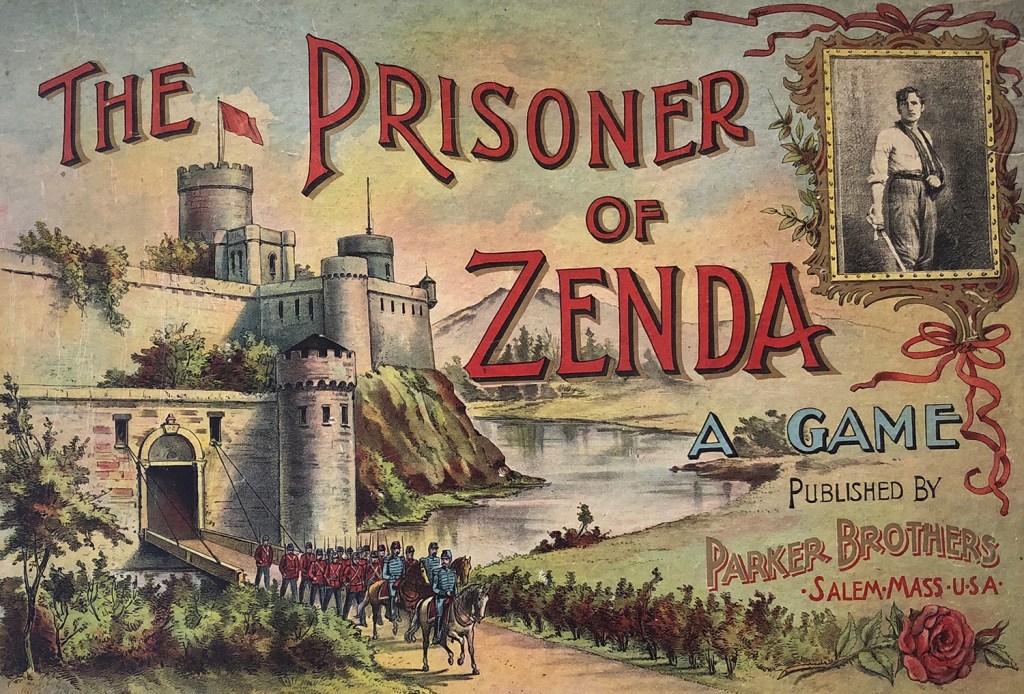
The name “Ruritania” first appears in The Prisoner of Zenda by Anthony Hope (1894) and inspired a genre of “Ruritanian Romances” where Ruritania became a sort of generic term for a small (but proud) and vaguely European Nation. Imagine The Princess Bride or perhaps a lighter version of Hamlet set in the late 19th Century. There are ruthless and charming aristocrats, good manners, dastardly deeds, heroic foiling of dastardly deeds, athletic duels, witty flirting, subtle insults, sophisticated romance, buckling swashes, fine wines, gourmet food, beautiful clothes – and it’s all mixed in with a little bit of realism.
Welcome to Ruritania! Humour and style are required.
Over-acting is optional, but highly recommended.
OK, how do I run a Ruritanian adventure?
First, bear in mind that Ruritanian adventures are not Fantasy. They are not (quite) realistic and are definitely NOT Horror. Ruritania and Transylvania may share some similarities in their architecture and social structure, but Ruritania has more dashing heroes, fewer superstitious peasants, and a complete absence of vampires, werewolves, and Mad Scientists.
A Ruritanian Game Needs
1. A tiny fictional country in an area resembling Europe.
2. A monarchy, a principality, or a duchy. Democracy is something for the future.
3. Powerful aristocrats and their estates. Members of the bourgeoisie are uncommon and most of the population are rural agricultural workers.
4. A neighbouring and more powerful nation that may be planning to invade
5. A succession crisis. The heir to the throne is considered to be too young, or too eccentric (insane), or too missing, or too dead, or too female.
6. Low(ish) technology. A Ruritania should be about 10 to 20 years behind the rest of the world in terms of technology
7. An expectation that insults are likely to result in a challenge to a duel.
The BIG (indeed, vital) component of a Ruritanian game is a proper villain. We’re not talking about a humourless bureaucrat or a cackling madman. We need someone with style! The Ruritanian villain is of noble blood and can ACT like an officer and a gentleman (or at least, he has the manners of a gentleman). Female villains are rare, but follow the same sort of conventions.
Characteristics of the Ruritanian Villain
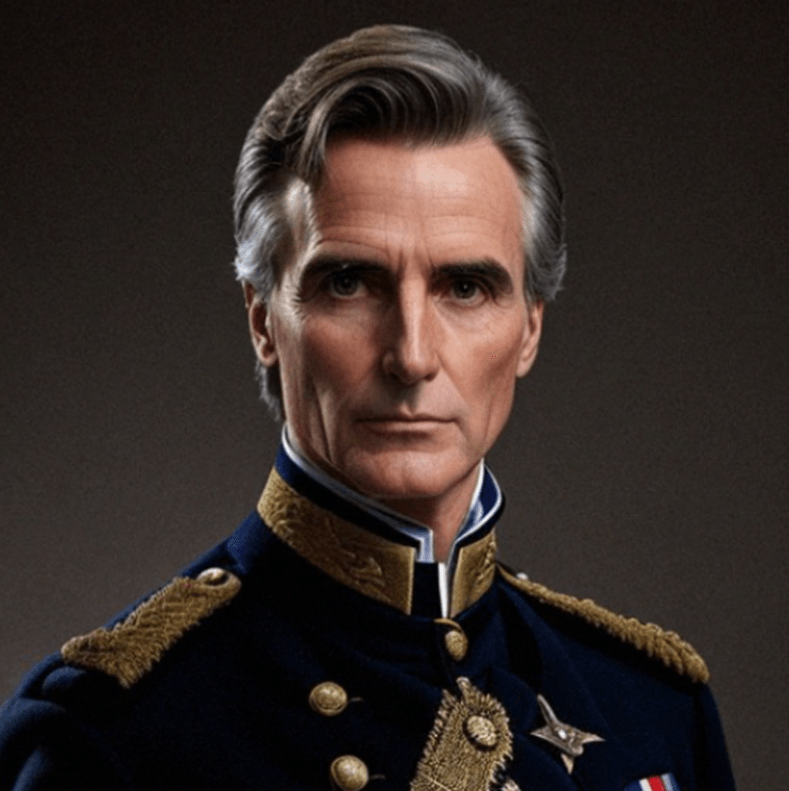
1. A member of the Royal Family. Usually in the line of succession to the Throne. Often an Uncle (see Hamlet) or maybe an illegitimate and resentful half-sibling.
2. Utterly ruthless. However, the villain should respect the heroes and possess enough chivalry to give them a chance. Assassins and poisons are not the tools of a noble Ruritanian villain.
3. The Villain is convinced that only they can restore the old glories of Ruritania. It is not only their right but their duty to seize the Throne. (MRGA: Make Ruritania Glorious Again)
4. The villain is calm, polite, and well-mannered. They might be willing to kill a child to gain the Throne, but that’s no excuse for rudeness. The Ruritanian villain may try to kill the young and beautiful princess, but would never dream of swearing in her presence. All heroes will be treated with courtesy.
5. If they are not (conventionally) attractive, the villain will nevertheless have immense gravitas, charisma, and intelligence.
6. The villain has a trusted lieutenant who is ruthless, a little psychotic, highly skilled, and conventionally attractive (or at least well-dressed and urbane). If the players and GM are comfortable with the idea, the lieutenant may become romantically interested in one of the heroes. Naturally, this might lead to a dramatic betrayal.
7. The villain has a plan. This plan can be foiled by the hero because it has at least one weak point.
8. Of course, the Villain WILL lose self-control in the final act when their plan is foiled and their ambitions are ruined.
NOTE: The players may overlook some clues and you may need to (subtly) guide them to others.
And, of course, we also need at least one hero. Incidentally, Ruritanian games can work well as a “duet” (one GM and one player) but there’s nothing to stop you having a group of heroes.
Characteristics of Ruritanian Heroes
Ruritanian Heroes are usually foreigners. They are unfamiliar with the local politics and etiquette. This is useful for a TTRPG as the players are given a justification for their ignorance of the setting. However, Ruritania works best if the Player Characters can present themselves as upper class and at least TRYING to be polite. It’s likely that one hero will be attractive and (coincidentally) have an unusually close resemblance to a Ruritanian VIP.
Right. We have at least one hero, or heroine, and a dastardly/evil, (but charismatic) villain with an appropriate lieutenant. Let’s set the scene…
Aesthetics
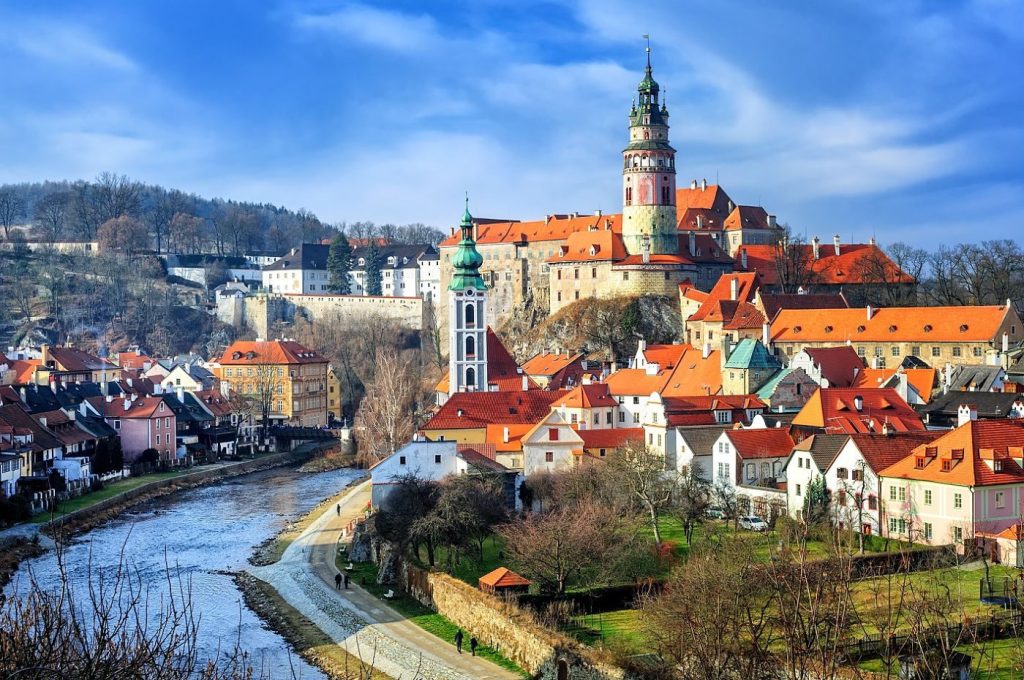
1. Ruritanian architecture includes impressive castles, luxurious (if slightly shabby) hunting lodges, rustic inns, large beer halls (with resident male voice choirs), and brightly-lit ballrooms.
2. Male heroes are expected to dress in dark, well-tailored suits and/or evening wear. If at all possible, they should wear ceremonial uniforms with lots of gold braid. Naturally, Officers’ uniforms include swords, and all outfits are worn tight and close-fitting.
3. Female heroes are expected to wear flattering, elaborate, and impractical outfits that require the help of a skilled maid to put on (or take off). They may choose to wear male clothing but this will create gossip and scandal. One compromise is to carry a (cleverly concealed) small sword to swiftly cut away superfluous cloth and/or slash the laces on one’s corset when it becomes necessary to do something gymnastic like sword fighting, or swinging from a chandelier, or leaping onto horseback. (Note: the fashionable Adventuress wears corsets that lace up on the side. EVERYONE will be wearing them this season!)
Technology
The original Ruritania was created in the late 19th Century and could easily be run as Steampunk. However, Dieselpunk or even Transistorpunk can work (see the Peter Sellars movie The Mouse That Roared ).
The average technology should not be modern. For example, if your Ruritania is set in the 1930s, its military might have a few asthmatic trucks and perhaps some obsolete and barely functional biplanes, but it should be mostly equipped with a few cast-off Mauser rifles from the Great War.
Combat or “The Dagger Test”
This is the tricky part. I call it the “Dagger Test”. You have to get your players to understand that a Ruritanian adventure may be light-hearted and cinematic, but it also requires a potential level of lethality. For example, let’s say that a beautifully-engraved hunting dagger is shoved into a PC by the villain’s lieutenant. If your players are accustomed to generic fantasy (D&D) they might expect this to be barely an inconvenience. It’s vital to explain that, yes, a dagger can be dangerous.
If your player(s) can handle it, I recommend simply forgetting about stuff like hit points. Ideally – in a Ruritanian game – a stabbing should result in a single agonised gasp, followed by “everything goes black” and then the victim will require the services of a brilliant surgeon or a highly-skilled nurse. (Note: Those adjectives are essential. Mediocrity or mere competence is not acceptable in a Ruritanian game.)
Obviously, heroes and villains can stay conscious if they use their willpower.
No Ruritanian game is complete without a wounded hero winning a duel and every villain must have their monologue.
Weapons
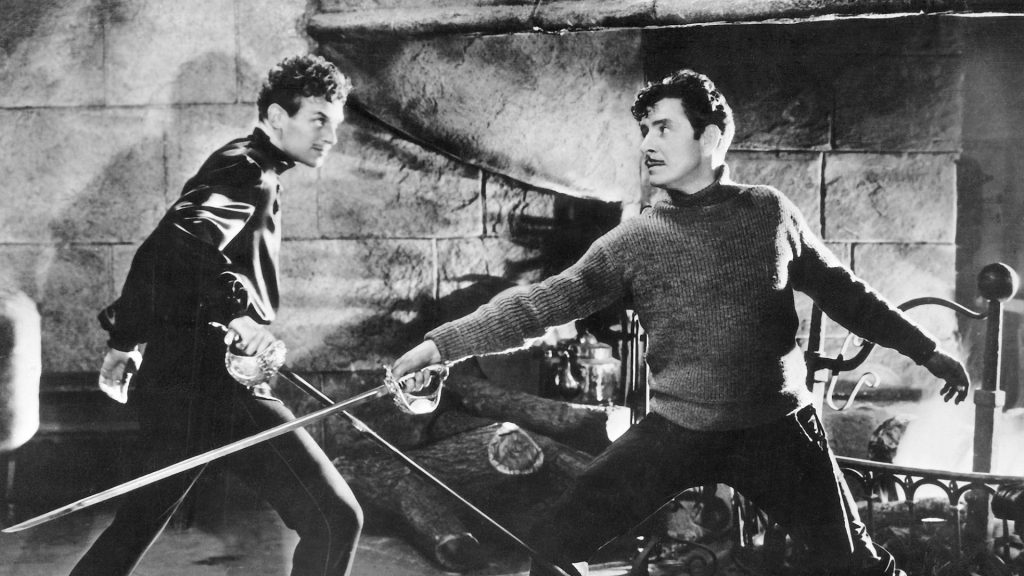
Speaking of decorated hunting daggers… In a Ruritarian game, there are lots of dangerous weapons. Most of the weapons available to heroes are “the weapons of a gentleman” (rapiers, cavalry sabres, hunting daggers, dueling pistols, and so on) but ingenious heroines may find a use for hatpins, high-heeled shoes, and expensive heavy vases. It is entirely acceptable for an officer to carry a revolver, but the tight uniform (and genre convention) prohibits heroes from carrying any reloads. When they use up all their ammo, they must resort to swords and old-fashioned fisticuffs.
TRIVIA: There is a short story by Damon Runyon (“Gentlemen, the King!”) that describes prohibition-era American gangsters bringing automatic pistols and a hand grenade on a business trip to a Ruritanian country. However, this is an outlier. Under most circumstances, even the villain despises explosives. Bombs are indiscriminate and their use should be avoided. They lack style.
Armour
Forget armour. Riders (of horses or motorbikes) might wear protective helmets and perhaps a leather jacket. Some ceremonial cavalry uniforms may include a cuirasse but this is not going to help against any sort of firearm and wearing armour in a duel is socially unacceptable.
Appropriate Systems
7th Sea
Castle Falkenstein
Deadlands
GURPS Swashbucklers
Lace and Steel
Space 1889
Anything that promises swashbuckling, romance and intrigue
Summary
You might not want to live there, but Ruritania is a fun place to visit. I believe it can be a pleasant change from pseudo-medieval superheroes or criminals in a grim and dark future underworld. Why not try more sophisticated behaviour in an elegant world? Who knows? You might enjoy exchanging subtle insults with a villain. You may also discover that there are few greater joys than watching an evil mastermind lose composure as their plans fall into ruin.
You might bump into anyone! You might be anyone. A consulting detective? An officer and a gentleman? A (rather lost) explorer? A brilliant scholar with surprisingly good swordsmanship skills? A beautiful spy? The secret heir to a Duchy? There are so many possibilities.
About the Author
The author has been playing TTRPGs for a depressingly large number of decades. Unlike many, his first experience was with Traveller, rather than D&D and Science Fiction remains his favourite genre for RPGs.
 RPG Counterpoint
Leave a comment