By: J.W. Grace (Argentwind)
After experiencing roleplaying games where the players are all epic heroes fighting dragons, supervillains, or high-tech corporate security, it can be fun to go back to low-powered adventurers where even the most basic encounters are a challenge. This article will provide some examples of how to create games for the underdogs.
Throughout our campaigns, the players often get caught up in the leveling-up mechanics for the systems we use. Climbing through the ranks of their chosen class or archetype is fun. Gaining new abilities and becoming harder to defeat is a constant priority, but the power-creep represented by leveling up makes it harder to challenge them. A game where the adversaries are supposed to be a threat is harder to achieve when the protagonists are so powerful.
The same holds true for the rewards they receive during their questing. Gaining wealth to buy and upgrade gear is a big motivating factor for the characters in these adventures, but after they find their fifth magic sword or powerful blaster rifle, it becomes underwhelming. The stronger their equipment is, the harder it is to challenge them and provide meaningful rewards.
In contrast, the low-powered characters are always challenged by their encounters. A pack of wolves or swarms of rats could mean their doom if they aren’t smart and/or careful. The basic security guards at the building they’re trying to break into are much more difficult to avoid or defeat. They must think tactically and try to find alternate solutions instead of charging in guns blazing. Also, the rewards they receive are much more important as they have expenses they need to cover: food, rent, ammunition, guild fees, etc. Even a small upgrade to their gear can be game-changing.
Here are some suggestions for games that I have run or played in that fall into this kind of campaign. In Shadowrun, the players are usually high-powered members of a team of specialists who do clandestine missions related to corporate espionage, kidnapping or thievery. In contrast, I ran a game where the players were all members of a street gang. They didn’t have the most high-tech gear or access to powerful magic. As troubleshooters for their gang, they did missions like collecting protection money from a belligerent shop owner, delivering illicit cargo to a trusted contact, defending their turf from rival gangs, or even stealing a shipment of guns from a corporate caravan. All of these missions were difficult for them because they didn’t have access to the typical gear or abilities usually seen in high-powered campaigns. This kind of campaign can also be adapted to a fantasy setting by using a Thieves’ Guild and the players are all low-ranking members.
I also played in a game at a convention that used the Feng Shui system (action movie role-playing) where we were all members of the gang of friends, like the Little Rascals. We each had a defining trait that gave us our abilities and a hook for role playing: the Strong Kid, the Smart Kid, the Spooky Kid, etc. We were locked in a museum with some criminals who were trying to steal something and we had to stop them and/or escape. Though the game-master had some difficulties with the system, the premise was amazing for a one-shot and we still had a good time.
Another fun scenario set in a fantasy world is where the players are all apprentice spell-casters, like fledging members of a school for magic. Many famous books, tv shows, and movies can provide inspiration for these games. The players can get up to all kinds of crazy hijinks that are more about surviving everyday school-level scenarios or competing with their fellow students. A fun variation on this theme that I intend to run someday is where the players are all the familiars of the schools’ instructors and they have to save the school from a threat that only they know about. Dungeons & Dragons has a setting called Strixhaven that is made especially for these kinds of games.
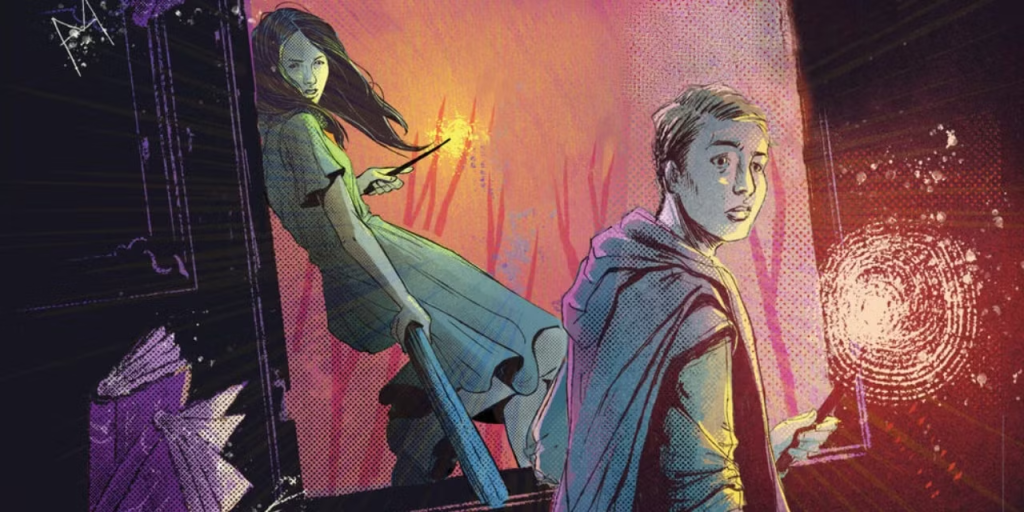
Another setting/game system that works well for low-powered fantasy games is called Kids on Brooms, a fantasy version of the Kids on Bikes system. This system is designed for young protagonists dealing with scary or crazy events like the tv show, Stranger Things, which has the added benefit of scenes where the kids play D&D and use elements of the game to relate to the situations they’re facing, a very meta concept. For a good example of the Kids on Brooms system, check out the Misfits and Magic series from Dimension 20.
You can also delve into the super-hero genre to create low-powered campaigns where fledgling heroes or sidekicks are dealing with minor villains or other lower danger threats. This kind of game will feel very familiar to most of our fellow geeks as there are many examples of this kind of story in our chosen media. Inspiration can be found in movies like Sky High or Zoom or comic books like Young Justice and Teen Titans from DC or New Mutants and Young Avengers from Marvel. Many of these characters have been adapted to movies and TV shows and there are even RPG systems designed for those settings.
As a final consideration, putting young characters in terrible or threatening situations can be problematic for your players who may have experienced trauma in their youth. For many people, role-playing as young people can be challenging or awkward, so like any new game, be sure to talk with your players about their red flags for what is acceptable and desirable. These games should be fun for everyone involved so I recommend focusing on the silliness and nostalgia that takes us back to our days of watching cartoons and anime or reading comics and anime. Grab some snacks and a soda and have fun!
About the Author
Jim “Argentwind” Grace has been playing and running TTRPG’s for almost 40 years in dozens of systems from AGE to Hero and every edition of D&D along the way. He is the Tavern Owner of the Tumbled Tankard Discord server and a primary content contributor for the Tumbled Tankard YouTube channel.
 RPG Counterpoint
Leave a comment