By: Joe Gaylord (Lazarus Game Lab)
Shortly before I received my copy of the revised D&D 5e Monster Manual in February, I saw some strange titles crop up in my YouTube algorithm “D&D Removes Orcs from the 2024 Monster Manual” “Orcs Removed from the D&D 2024 Monster Manual – Here’s Why” and, maybe most dramatically “The Death of the Orc”.
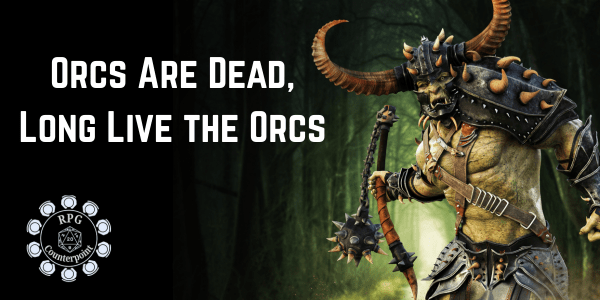
These are all slightly misleading clickbait. (To be fair, so is my title. My apologies.) There are orcs in the 2024 Monster Manual, kind of. They’re there in the same sense that halflings and humans were in the 2014 version. They are simply treated as most other humanoids, that is, as DM description within NPC stat blocks, not as distinct monsters. And while this is less dramatic that “Orcs are Dead” would imply, it’s the tail end of a major shift in changes to orcs and other creatures that go back decades, taking them from monsters to people.
A History of Orcs
Almost all fantasy literature, and especially fantasy RPGs can trace their lineage to JRR Tolkien. A feature of that lineage is a classic set of humanoid creatures, notably hobbits, elves, dwarves, goblins, and orcs. The last two species were treated differently from the others, being seen not as complex societies with histories and languages, but as a monolithic evil army of goons to be used by the BBEG and killed by the heroes.
Early orcs in DnD and fantasy literature were inherently violent, brutish, and inherently evil. Insofar as they could be intelligent, it was cunning, not true intelligence . They could devise clever traps and tactics, but weren’t creating art or thinking deeply over moral quandaries. This was the stance in most early TTRPGs and fantasy games, including early D&D. Players couldn’t play as an orc as a rule, and didn’t negotiate or even really speak with them.
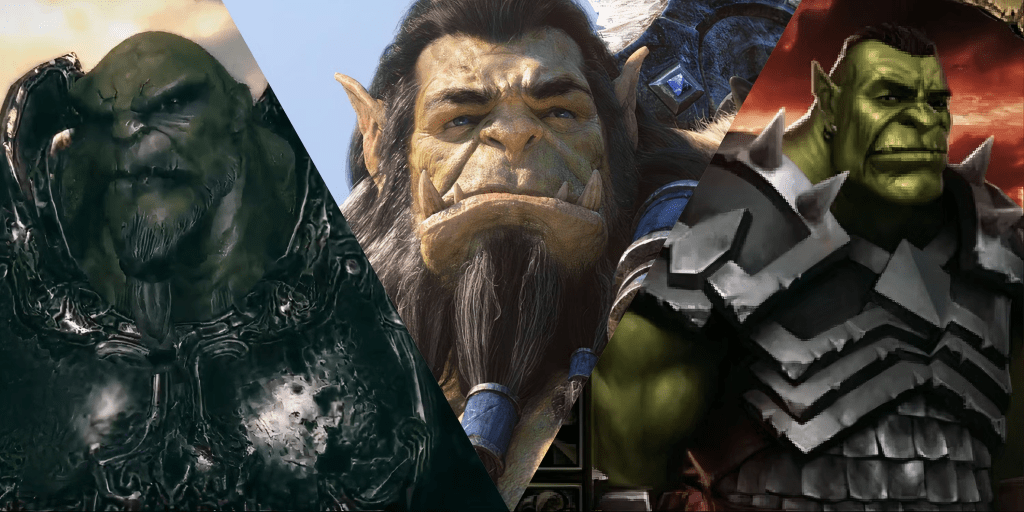
This started to change with games like Warcraft and Warhammer, where a player could play as an orc. While they were still often reduced to the idea of being big, dumb brutes, orcs began to have a certain amount of agency and personality, and could even be framed as antiheroes. Eventually, this shift took hold, and many RPGs allowed orcs or half-orc PCs, although they were usually seen as the exception to the rule, played as redemption arcs or anti-heroes.
Once that shift began, bigger changes were almost inevitable. More and more complex, varied, and sympathetic depictions of orcs and orc culture started to emerge. Settings like Eberron, where orcs had a full playable race with a rich culture, began to emerge. You also had games like Big Gay Orcs, themed around orcs throwing off their violent natures and embracing love.
Mobs vs NPCs – What’s the Difference?
In brief, the movement took orcs (and other creatures) from “mobs” to “characters”.
A mob is a generic, faceless enemy that you fight. Though there might be some variations among them, they have no individual identity and are irredeemably evil and antagonistic. For many games and other media that feature combat prominently, they need to exist. You can’t make killing creatures a major thematic or mechanical element of your creation if you are fully reflecting the humanity of each enemy killed. Doing so takes a power fantasy and turns it into psychological horror.
Characters are the opposite. They are fleshed out individuals with their own backstories, lives, and identity. They might be hostile or friendly, but they are generally multidimensional and complex. They play important part in the social component of RPGs. Players want to know the names and stories of those around them, and that drives both worldbuilding and interaction.
But Why?
A few trends were simultaneously driving these changes in the nature of how fantasy games deal with orcs.
Within storytelling as a whole, there has been a strong pushback against black and white villains, including the goons that serve them. A reformed stormtrooper is a hero in the Star Wars sequels, the Wicked Witch of the West is the protagonist of a major film, Loki is the heroic lead in his own TV series. These changes lead to more complex and nuance worldbuilding and more compelling stories.
Similarly, in society more widely, there has been reconsideration of the place of orcs and other mobs as part of our culture. These represented an “other”, an outsider that was less than human and therefore ok to oppress and kill. In the case of orcs, in particular, this was tied with racism. Orcs were explicitly described as “mongoloid” by Tolkien, and have consistently included imagery and tropes connected with racism against native and African peoples.
Given this history, there has been a push to look at orcs more carefully, giving them more nuanced identities that pushed back against the lazy racism of the past.
The Transition and its Fallout
Now that the background is out of the way, let’s discuss what actually happened to the orcs in D&D 5.24. There are several major shifts:
First, 5.24 overhauled races. They are now species, there are no more half-races, and species don’t have cultural features or ability score changes. The loss of half-races means that orc and not half-orc is the PHB race. Removing cultural features and ability scores means that your choice of species doesn’t dictate your personality to the extent that it did before. Your orc isn’t inherently strong and intimidating like the half-orcs were in previous editions of DnD. (And an orc doesn’t get an intelligence penalty, which was a big controversy).
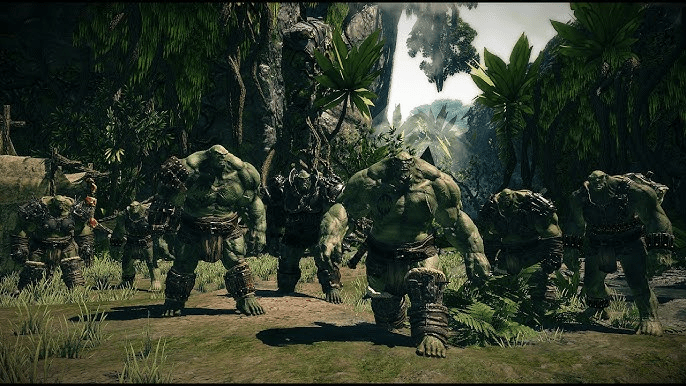
Secondly, there was a big change to orc lore in 5.24. They are no longer raiders living outside civilization, driven by rage and tending toward chaos and evil. Instead, they are naturally at home in the wilderness, more like nomadic explorers than barbarous outsiders.
Finally, orcs have been out of the Monster Manual entirely (I finally got there). That is, there is no entry for “orc” in the book. Instead, DMs are recommended to use one of the many NPC stat blocks to present orcs, in the same way that they would run elves or halflings. There are no templates or changes for NPCs of a specific species. In essence, the choice of species is just a cosmetic chance.
All of this leads to a situation with many pros and cons. The new way orcs are portrayed in DnD is a big step away from classical high fantasy, where the ravening horde of minions march to war under their dark lord. This is good and bad, depending on how you feel about that genre, which is beloved, but undeniably problematic.
When creating PCs, it is great for players to have fewer restrictions and not to feel pigeon holed into a role based on your choice of species. However, some of the new changes make the choice of species feel less significant, pushing this decision toward being simply a cosmetic choice as opposed to a mechanical option. This is an ironic issue, everyone being treated the same makes everyone the same. Equality is laudable, but it can come at diversity losing its meaning.
Finally, the shift in the Monster Manual offers a wide range of orcs as NPCs to fill out an orcish community. Technically, by removing orcs as a specific entry, the new Monster Manual now has 25 orcs instead of the 4 as presented in the old version. However, none of them feel specifically like the classic version of orcs. They’re generic NPCs who you describe as orcs.
Conclusion
It’s a major trade off. On the one hand, orcs get to have a far more nuanced and interesting portrayal. They go from mobs to characters and can be anything any other humanoid species can without needing to justify themselves or mitigate drawbacks. They also come with far more options both as PCs and NPCs.
However, in gaining options for nuanced portrayals, the orcs feel less like orcs. A classic component of the fantasy genre lacks a distinct mechanical identity and is treated as just another humanoid NPC. More than that, in those nuanced portrayals, the power fantasy of an adventuring party taking on an army of enemies takes on a dark turn that may turn a lot of tables off of the game.
It seems to me that a middle ground is valuable. It’s a powerful exercise in compassion to consider the legacy of dehumanization that denied humanoids (both in games and the real world) complex portrayals in media and the popular imagination. It’s also important that games provide a positive experience for those who play them. Many TTRPGs want to live out stories that mirror their favorite fantasy literature. Many others want to live out rich and nuanced stories featuring unexpected heroes. There is space for both versions of the game, but walking that line requires a lot of work and potentially having both sides being willing to sacrifice a little of what they want to find a middle ground. It’s complicated, but it should be complicated and it’s a discussion worth having. The old orcs might be gone, but new ones, as always, are there to take their place. The orcs are dead. Long live the orcs.
About the Author
Joseph Gaylord has been playing TTRPGs and TCGs for 25 years, with almost 50 titles to his name on DMsGuild as an author, co-author, or contributor. He is on most social media as LabLazarus.
 RPG Counterpoint
Leave a comment