By: Joe Gaylord (LabLazarus)
“Good artists copy, great artists steal” is a Picasso quote that I’ve been thinking about a lot lately. My daughter is three and so is deeply into Disney movies lately. It strikes me that almost all of them are either directly based on older works, like Cinderella; loose adaptations, like Frozen; or secret adaptations, like The Lion King. This tour of the House of Mouse got me thinking about TTRPGs.
There’s a long history of TTRPGs borrowing (and sometimes stealing) from other material. The entire industry was born, in effect, as an unlicensed Lord of the Rings game. Today, there’s a tension for GMs. On the one hand, we’re called to be original and creative, but on the other, to draw on known stories, tropes, and genres our players will enjoy. We almost always find ourselves drawing, consciously or unconsciously, on existing material in varied ways.
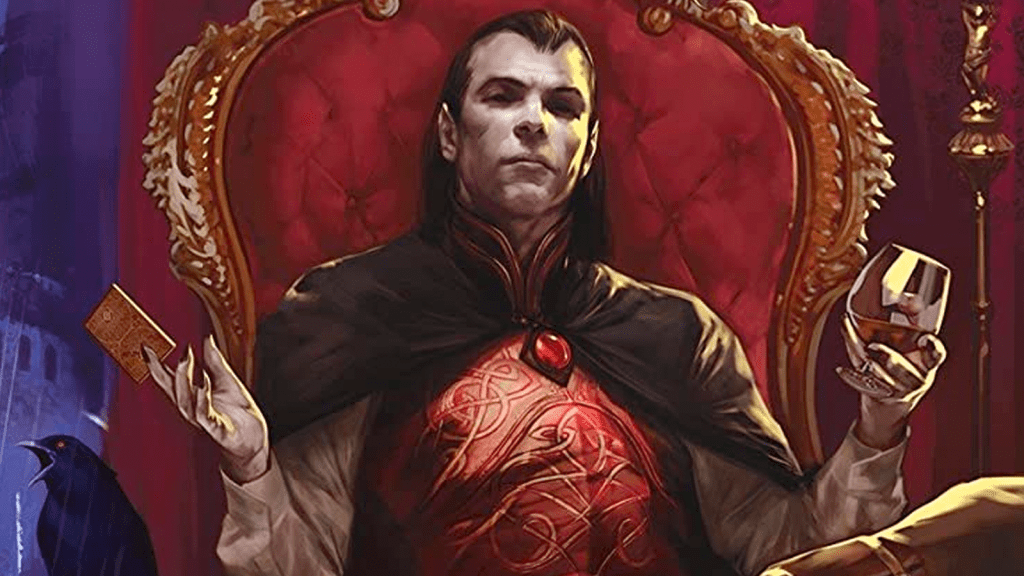
A lot of creators talk about “filing off the serial numbers” when doing this, that is, keeping the core idea of a story or style, but without the full setting or universe. Curse of Strahd from Dungeons & Dragons is Dracula, with the serial numbers filed off. Kids on Bikes is It or Stranger Things, with the serial numbers filed off.
How much “filing” is necessary depends on your play group, some groups want really direct allusions (I personally don’t, but you do you) and you only need to make a few changes; others want the vibes of a known story, but without the specifics, shifting things more substantially; others want an “original” story, so the GM needs to hide references more thoroughly when playing off existing materials.
There are a number of ways of filing off serial numbers, and I’m going to talk about several, using Disney movies as accessible examples. Keep in mind that while some of these strategies make it easier to disguise your references, each can be adapted to almost any of the playgroups described above.
- The Playthrough
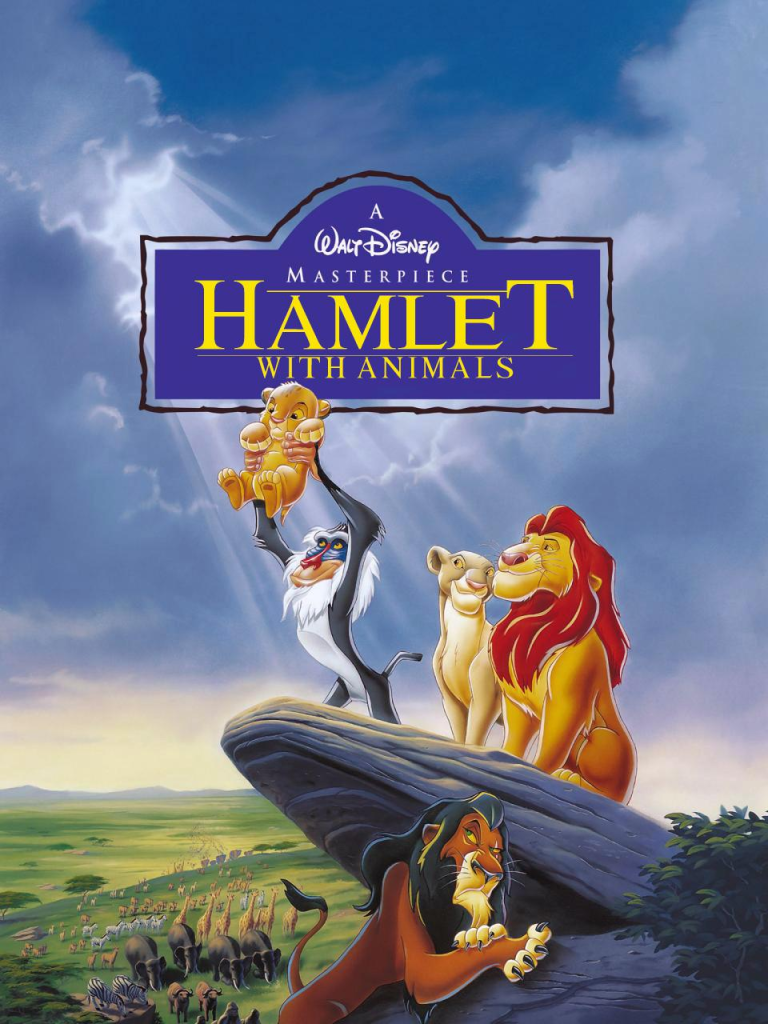
This is a game that follows more or less the beats of a known story. It may not be a word-for-word copy, but it has the same bones. The key is to take the core beats, the critical moments when the plot changes or advances, and the key archetypes, the essential characters or groups involved. Once you’ve found those, consider how you can interpret them to fit within your story. They don’t have to resemble them closely, but they have to serve the same purpose for your narrative.
The Lion King is one of the best examples of a playthrough adaptation with the serial numbers fully removed. The movie is an extremely stealthy adaptation of Hamlet. A prince’s uncle kills the king and marries the queen. The prince blames himself, leaves his girlfriend and kingdom, and goes into hiding with two friends. He is visited by the dead king’s ghost, who orders him to get revenge and restore the kingdom, which he does. The events are in a different sequence, and The Lion King has more fur and fewer corpses, but the overall stories match.
- The Inversion
Rather than telling the story you’re telling, in some cases, you want to tell the other story. You can look at the events of the story you’ve chosen from the viewpoint of the antagonist, or a supporting character, or a random bystander, and end up with the same events, but what looks like a totally different story. This has been a trope in literature and film for a while, with some notables like the Hannibal TV show, Wicked, and (in a more general sense) Dale and Tucker vs Evil. You can do this by having the key beats from the original being taken on by NPCs, or by taking the overall themes and playing with them while putting the players in your chosen perspective’s role.
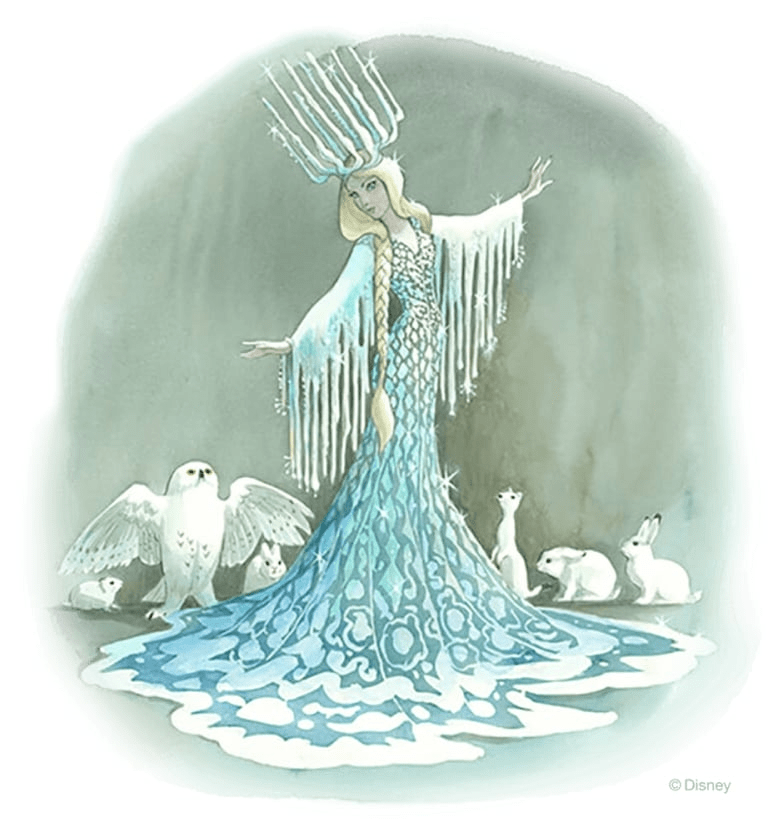
Frozen is where Disney did this really well. It’s based on The Snow Queen, not as a perfect retelling, but with the key characters and ideas. Elsa is a magical queen who causes eternal winter. In the story, she’s a generic villain, but in the movie, she’s a heroine. Anna is a mix of the story’s original duo, Gerta and Kay, a second heroine who seeks Elsa’s palace, but whose heart is frozen, thawed only by an act of love. Kristoff is based loosely on the story’s robber who gives directions and a reindeer to ride. The setting and the themes of frozen hearts and true love are all there, but seen from a very different viewpoint.
- The Homage
Instead of paying attention to beats, setting, or characters, there’s an option to copy the style, rather than the substance of a story. This is the stock and trade of games like Call of Cthulhu, Kids on Bikes, or Shadowrun. While you can play through the events of At the Mountains of Madness in CoC, the game is built to create the vibe of HP Lovecraft’s mythos and tell any story you want. For this to work, you want to have a handle on the genre you’re emulating and its central conceits and tropes and lean into those.
One issue with this is that you can only remove so much of the serial numbers before it starts to fail. The whole idea is to make it look like the material you’re borrowing from, so disguising that works against your goals. Because of this, while you can steal plot elements from existing stories, taking too much from them beyond general mood can make your game feel too close to your source material. Unless your table is interested in a direct copy, this is a bit risky.
Encanto is a beautiful homage to Latin American magical realism, especially the works of Gabriel Garcia Marquez. You have a noble family in a hidden village with magical powers. The setting, characters, colors, culture, and overall style are clearly Latino, especially Colombian. It borrows a lot of beats from One Hundred Years of Solitude, the rain of tears being a notable one, but it’s very much its own story, though maybe one set in the same universe.
- The Pastiche
Similar to an homage, a pastiche borrows from a genre, rather than from a specific story. Instead of focusing on the feeling of the genre, however, a pastiche looks to put together a story by stealing pieces from other narratives, whether those are characters, story beats, setting elements, or other aspects. This kind of collage can let you either hide or be obvious about sources, often in ways that serve as inside jokes. Including an obvious Batman reference in a D&D game, say a town guard with a gruff voice and a black cape, can be a hilarious wink to the players. On the other hand, subtly stitching together pieces from Dune, Star Wars, Star Trek, and Serenity into an “original” space opera is a big win, albeit for a different group of players.
Brave is a place where Disney did this well. The story isn’t based on any one fairy tale, but it lifts from many of them. Standing stones and will o’ the wisps are common pieces of UK folklore connected with the fey. The witch transforming Merida’s family into bears echoes a number of fairy tales, such as Rose-Red and Bearskin, and even has some notes of Goldilocks. The relationship between Merida’s dad and the demon bear Mor’du, who ate his leg, borrows from the origin of Clan Forbes, while adding in a clever bit of Moby Dick. Merida defeating all her suitors in an archery tournament includes visuals associated with Robin Hood. The list goes on.
- So Grab Your Files!
Coming up with original stories is one of the biggest challenges GMs face in TTRPGs, and our job is already hard enough. So, steal a little! It’s ok! It’s fun! It’s great! The entire hobby is literally based on stealing from source material, so do what Gygax would do. (No, not make a 2d% table to determine how to greet someone) Find a story or genre you like, jimmy a window, and take it for a joyride. Then, file off the serial numbers and sell it to your players as “original”. They’ll have fun, and they’ll never know. And, if they find out, just tell them why that makes it so much cooler. You took something you love and decided to share it with them in the context of an awesome game. That sounds like a win for everyone involved. So get filing.
About the Author
Joseph Gaylord has been playing TTRPGs and TCGs for 25 years, with almost 50 titles to his name on DMsGuild as an author, co-author, or contributor, which include an alarming amount of blatant thievery. He is on most social media as LabLazarus.
 RPG Counterpoint
Leave a comment