
Jared(Martel)

Hello RPGers
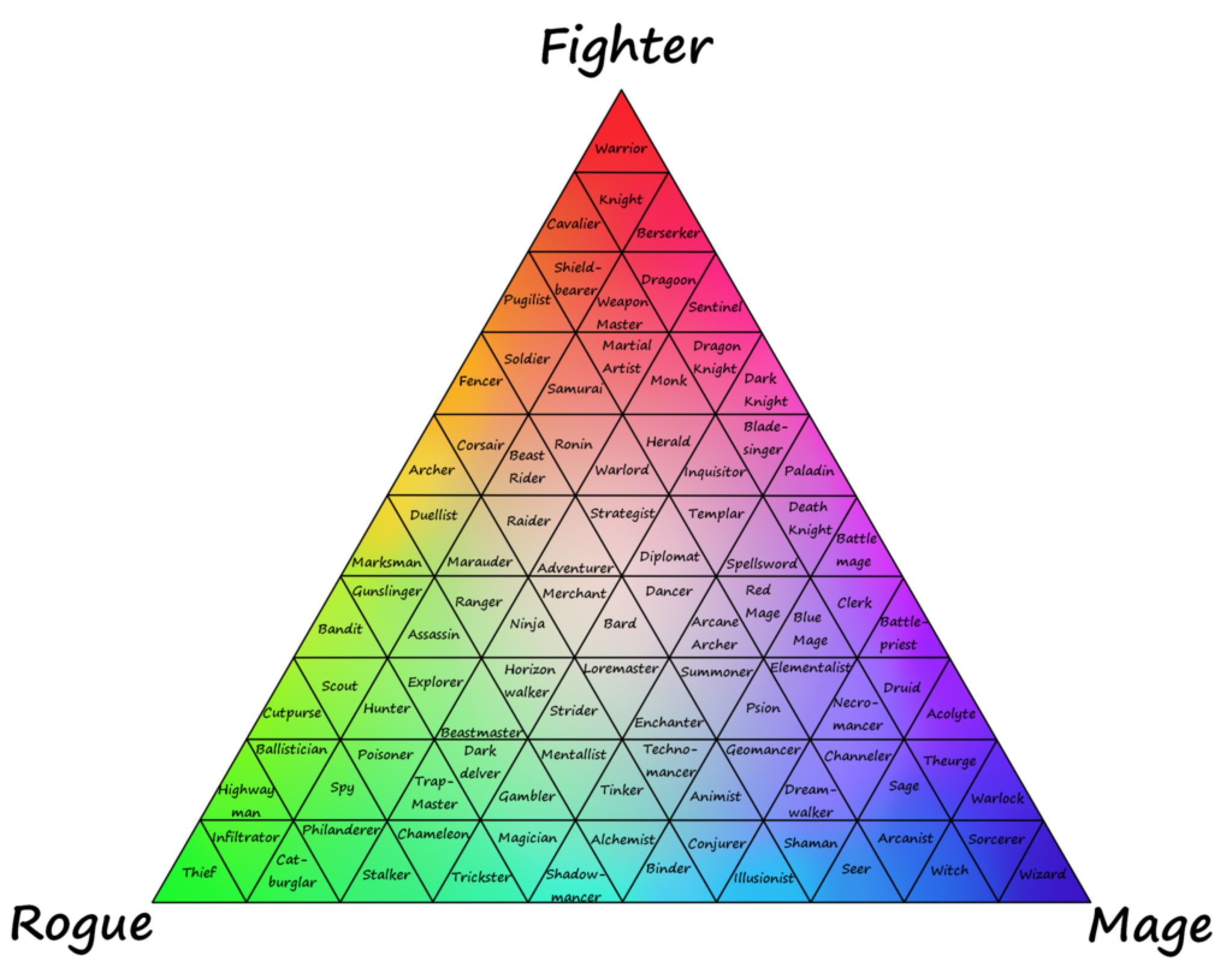
For those only familiar with a class based gaming system or the lack of a class based gaming system I am looking to compare the too and show the pros and cons of each in different contexts.
Our first example is, of course, D&D, as it is one of the most well known class-based systems. Being the most popular, it often serves as the basis for most D20 systems. Many systems use classes as a way to structure the characters and make things easier to keep organized during character creation and game play.
In character creation, classes function as a skills-and-features “package”. This makes it easier for players to make decisions about what they want to play, by choosing the “package” that they want to use. Typically, a few options are given for customizations but by-and-large players will use the options they are given and just run with it. Below are the benefits of those “packages” in the following categories:
Health Points
In each class package, there is typically a structure for health points, starting skills, features, and equipment. With D&D, regardless of the edition, the size of your health point die is determined by your class. The rationale behind this is that the more physically-oriented characters need more health in the long run so that they can take hits, while the more magic-based classes don’t need as much because they focus on doing damage from a distance or buffing their allies with healing.
Skills
Starting skills, skills that a class gives proficiency in to the player character at level 1 of the class, are also associated with the typical purpose of the listed class. An example of this maybe be the Fighter class giving the character proficiency in all Martial type weapons, as Fighter would naturally need to be an effective fighter. The benefit here is – depending on the system – the time spent going through and building the skill list that the player thinks they will need for their character, will be greatly reduced as they can just select the package that best fits their vision of what they want the character to be. Now, with some editions of D&D and systems such as Pathfinder, this becomes less of an issue. You develop the character in game play as you distribute ‘skill points’ almost every level, which allows you to raise an otherwise ‘unimportant’ skill in the class package to a greater level of function than intended with the class’s starting skills. More flexibility and more development can be seen in this aspect in systems such as Palladium. In Palladium there are generally more skills but each class has specific skill lists that are ‘primary’ and ‘secondary’, much like AD&D had but with larger lists of skills. In this system being ‘primary’ or ‘secondary’ skills can have a big impact on your beginning proficiency in the skills.
Features
Most different classes have class-specific features that make them unique. The features given to each class offer a unique flavor to the build while still maintaining balance. Features are strong enough that if they were more open to be combined a la carte, they could easily become overpowered. We readily associate certain features with certain classes because that’s what we have known them for. This aids in the character creation process as the players can think of the theme or vision that they want for their character and use those features to recognize what mechanical sets they need from a class to make their character more realistic. By packaging the features with the classes, the system writers have given a guide to the players to see what is possible before they get there. Also, in systems like D&D, you can pick features(Feats) that are not class-specific, but generally have classes with which they go best. Without the class structure, though, it would be hard for players, especially new or inexperienced ones, to know which feature to choose without a lot of research or trial-and-error.
Equipment
Classes typically tell you what kind of equipment you want to have when starting off with a given class, either by giving it to you or by giving you proficiency or skill in it so you know it belongs in your chosen package. With a fighter you expect to wear armor and swing a weapon, but you could choose to buy a sword for a wizard instead of a wand. Having the starting weapons and proficiencies listed in the class packages helps players see what they can expect out of a given class package, so they know what to expect and can get started quickly and easily. This is very similar to features, in that you can pick and choose items later on, but the class structure helps you make better, more synergized decisions on what to get for your character when starting out.
All in all, classes are a valuable asset to both new and old players, in that it allows them to quickly envision what the character could look like, act like, and be good at in the game without a lot of back-and-forth in deciding what they think they might want. It helps them assemble a vision of their character in a clean, structured way that allows them to also see the character’s potential in later levels so they can plan how they want the character to develop and what class is best for what they have in mind.
In summary: Class-based systems allow players to see their character for all it can be before they even roll their stats. In this way, they can properly choose what package best fits their vision and how it may potentially develop their character down the road with just a glance at the level progression chart of the class. Class-based systems allow players to make confident decisions on the skills they want their character to have now and later without worrying too much if they made a bad call and wasted a few skill points here or there in their character creation.
So until next time: Game On!
About the Author
Jared “Martel” B has been GMing and playing in several TTRPG’s since late 2013. Enjoys the challenge of bringing his players worlds and stories straight from his mind in the moment that it happens. He is one of the Founders of RPGCounterpoint, happy husband to an active historian wife, and father to two puppers with a baby on the way.
Leave a Reply