
From J.W. Grace (ArgentWind)
For the scariest time of the year, running a good horror role playing game is a great way to celebrate. There are many game systems that lend themselves to the horror genre. First and foremost, is Call of Cthulhu. Playing in the sandbox of H.P. Lovecraft is an amazing experience and the system is a great mix of Lethality and Survival. It also has detailed game mechanics to deal with insanity as the encounters in that system often deliver mental harm.
For a game where you get to play as monsters, check out White Wolf games. Vampire, the Masquerade is the most well-known but you can also play as werewolves, magic-users, faerie creatures or even specialized monster hunters. The system is a lethal mix of secrecy, trickery, horror, and action.
Another great game to try is Dread. The only game mechanic is the use of a Jenga tower. Whenever a person is called on to investigate something or to do something risky, they have to make a pull from the tower. If the tower falls, the character dies. The tension of having to walk over to the tower and pull those blocks is a unique experience which really lives up to the name of the game.

Regardless of the system you use for your game, there are some a variety of considerations that make the horror come to life. When you’re delivering the content, ambience is essential. Using music and sound effects can add a new dimension to the experience. Creepy music can add tension to the encounters and sound effects can bring a scene to life. When you stop the sound, that can have a dramatic effect as well. Sudden silence is very disconcerting and it puts the players on edge.
Your tone of voice can also have a significant impact. Using a soft, calm voice when the scene is already spooky only enhances the unnatural eeriness. Players have to listen closely and you draw their attention. Then, when something happens, a sudden change in tone is quite startling. It’s all about the contrast and uncertainty, so use that to your advantage. If you have the time and privacy, practice your descriptions and the voice you want to use.
The same is true for the plot. Elements of helplessness and isolation ramp up the horror that the characters (and their players) are feeling. Drawing out those quiet moments makes the unexpected events stand out. Then, the tension transforms into excitement as the action goes into full swing, either through combat or solving problems or just trying to escape.
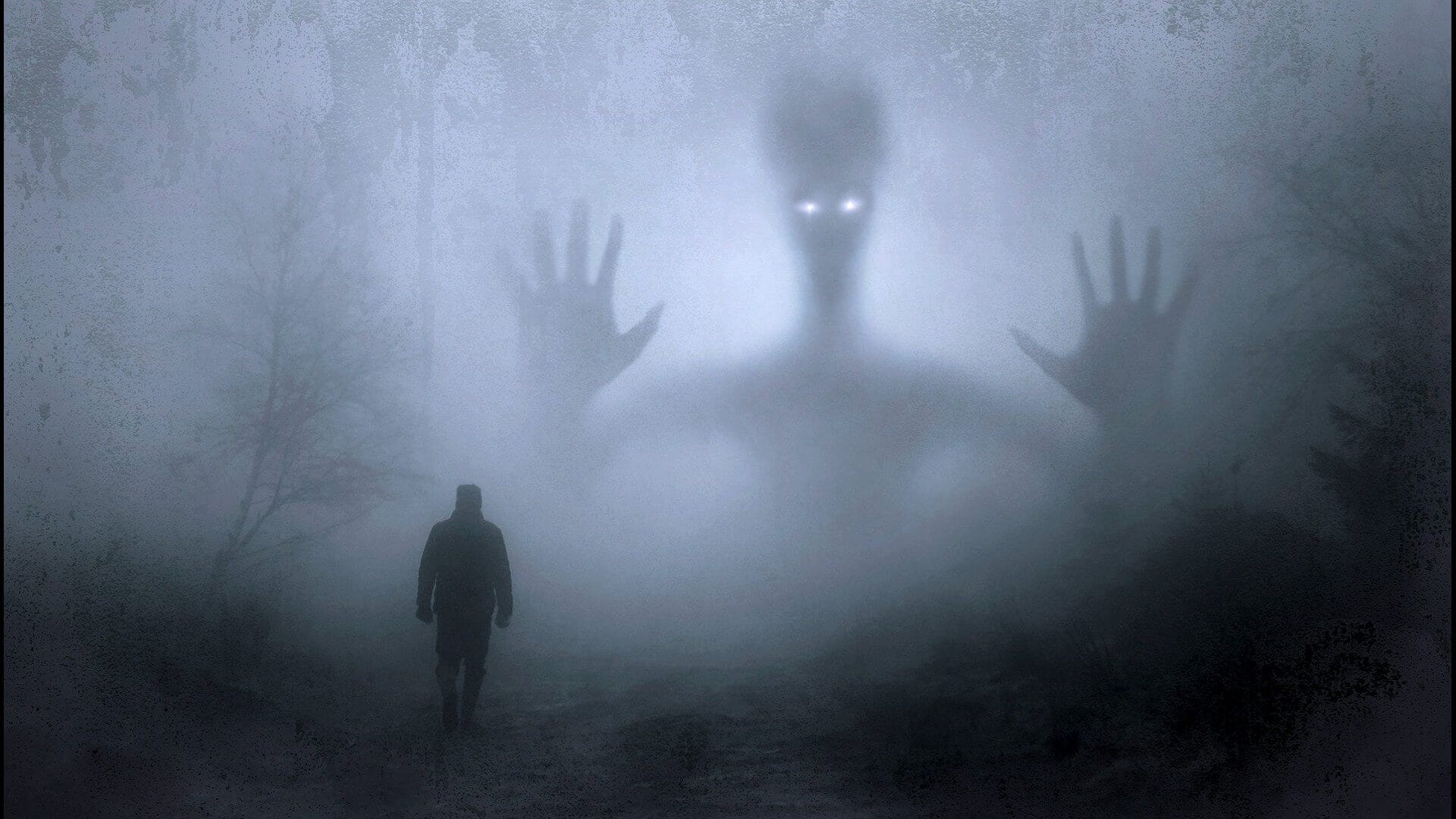
The environment is also something to consider. Describing the scene is essential to making the players truly feel what is happening. Focus on the strange smells. Consider scents of decay or harsh chemicals, even sweet smells like cookies can be disconcerting when it doesn’t fit in the environment. Describe faint sounds like whispers or singing, claws scraping on stone, rhythmic thuds or even total silence where all they can hear is their breathing and heartbeat. Visual aspects that you describe will bring the scene to life, such as strange lights, shifting shadows, low mist or fog. We can all picture these things in our minds and our imaginations will run wild with only a few suggestions.
Most horror games will be one-shots or maybe a few sessions long so it is important to have a tight story. First, have a solid setup. Why are the characters involved in this and why don’t they just run away at the first sign of trouble? Make sure they are motivated to investigate the situation and when the problem is revealed, make sure they are motivated to solve it. Cutting off their escape is a good way to ensure this or making their lives, or the lives of someone they care about, truly depend on their success.
Second, choose a location that adds to the spooky story that is going to unfold. Abandoned houses or buildings are a great choice as they are easy to lock down through normal or supernatural means. Plus, the layout of the location is easier to explore in a shorter amount of time. A dark and creepy forest is also a good choice, where the characters can get lost or turned around. They would experience a feeling of dread or isolation. Tunnels or caves, either natural or mined, are a great place to delve into horror, literally.

Third, choose the type of spook they will encounter. Here are some examples to consider:
- Slasher – These enemies are extremely powerful (maybe even unbeatable) and the group’s only hope is to escape. This works really well for low-powered characters who have no way of truly fighting back.
- Supernatural – These entities are very common in horror stories. Ghosts can break many rules by being able to move through walls and appear and disappear suddenly. This makes them a very unpredictable enemy and defeating them can be quite a difficult task.
- Horde – Encounters with an unending wave of enemies like zombies, skeletons, insects, or mutated animals. There are many choices. Like the Slasher, the group’s only choices may be escape, or maybe there’s a way to stop the horde before they overrun the world.
- Cosmic – This is where Lovecraft really paved the way. These beings of immense power can warp a person’s sanity if they survive the encounter at all. Usually, these scenarios involve trying to stop a cult from bringing about the end of the world by stopping a ritual or sealing a gate.
- Mastermind – This usually involves squaring off against some demented individual who wants to play a game with the party, usually involving twisted traps or being forced to make terrible choices to get out of the maze.
The last thing to determine for your spooky scenario is how it will be resolved. It will often depend on the type of spook you’ve chosen, but there are many options. Escaping the location is a basic one that doesn’t resolve the problem but the party will have – mostly – survived. They might have to solve a riddle to prevent some unspeakable outcome or foil the plan of whoever is behind the problem. Depending on the power level of the game, they may even be able to defeat the spook directly.
Whatever you choose, I hope you have some amazing scary adventures ahead.
Jim “Argentwind” Grace has been playing and running TTRPG’s for almost 40 years in dozens of systems from AGE to Hero and every edition of D&D along the way. He is the Tavern Owner of the Tumbled Tankard Discord server and a primary content contributor for the Tumbled Tankard YouTube channel.
Leave a Reply